Disclosure: This article was created using AI and is not based on personal experience. It includes affiliate links, which means we may earn a commission if you purchase through these links at no extra cost to you. As Amazon Associates, we earn from qualifying purchases. Product recommendations and endorsements were generated by AI and do not reflect personal opinions or real-world use.
Voice control devices
Key Takeaways
- Voice control devices enhance interaction with smart home systems.
- They allow users to perform tasks hands-free, making life easier.
- Compatibility with various smart home devices is essential.
- Security and privacy aspects should be considered when choosing a device.
In the world of smart homes, voice control devices play a pivotal role in enhancing user interaction with various smart systems. They enable seamless communication and control over a wide array of devices, from lighting to security systems. This article delves into the different types of voice control devices available, their benefits, and key considerations for choosing the right one for your smart home.
What are voice control devices?
Voice control devices are smart technology tools that allow users to interact with their smart home systems using voice commands. These devices can range from smart speakers to smart displays, and even home automation controllers. They provide a hands-free way to manage various tasks, enhancing convenience and accessibility.
Types of voice control devices
| Device Type | Description | Examples |
|---|---|---|
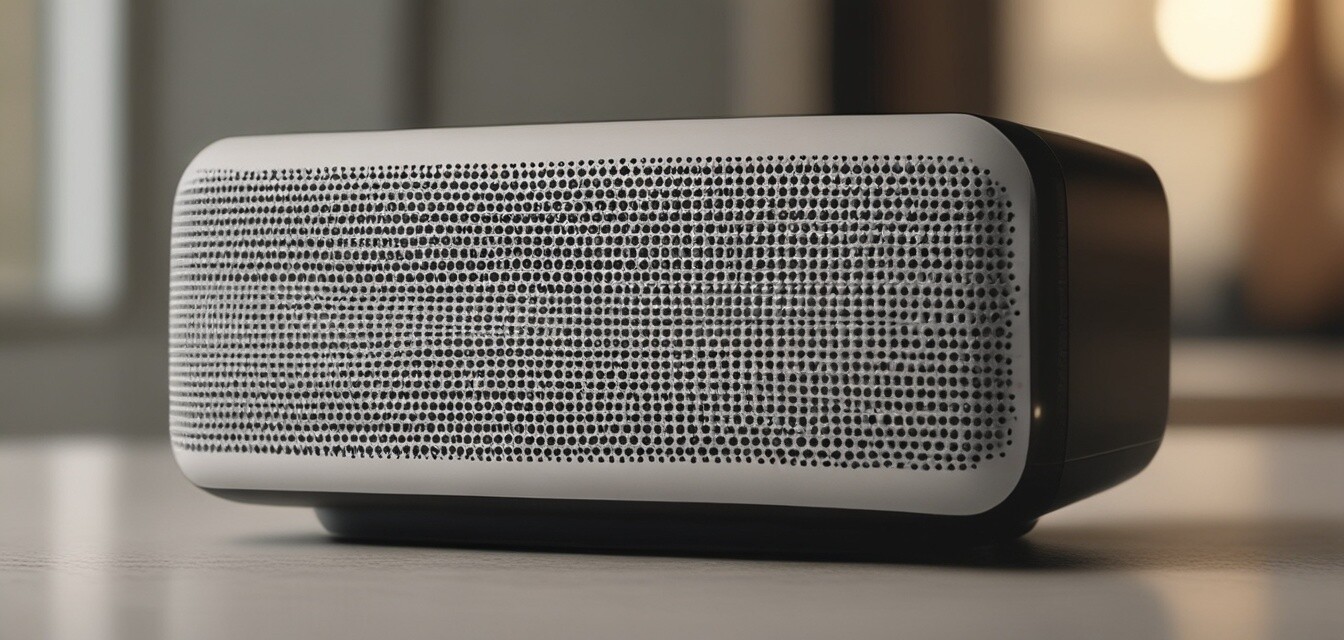
| Smart Speakers | Devices that primarily function as speakers but integrate voice control features. | Amazon Echo, Google Nest Audio |
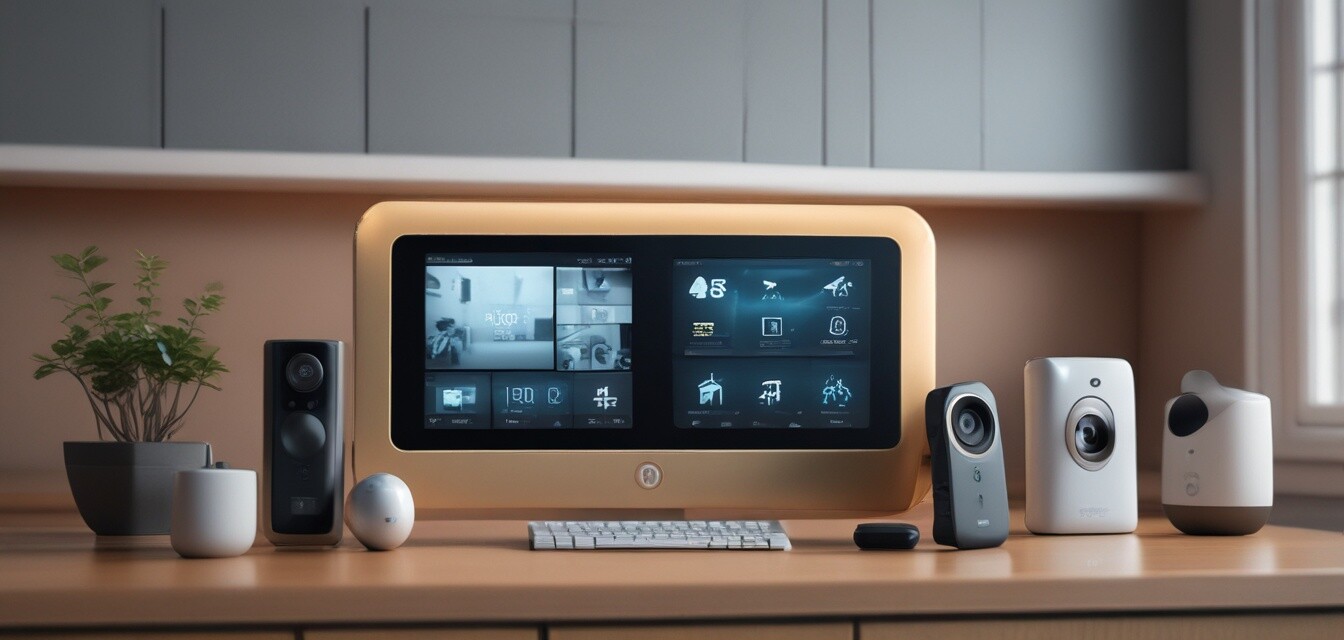
| Smart Displays | Devices with a screen that provide visual feedback and additional functionalities. | Amazon Echo Show, Google Nest Hub |
| Home Automation Controllers | Devices that manage and control multiple smart home devices from one central point. | SmartThings Hub, Hubitat |
Benefits of voice control devices
Utilizing voice control devices in your smart home setup comes with a myriad of advantages:
- Hands-free operation: Control devices without physically interacting with them.
- Ease of use: Simple voice commands can manage complex tasks.
- Accessibility: Helpful for individuals with mobility challenges.
- Integration: Works with various smart home technologies and ecosystems.
Key features to consider
1. Compatibility
Ensure that the voice control device you choose is compatible with your existing smart home systems. Check for integrations with popular platforms like Home Automation Controllers, Smart Lighting Accessories, and others.
2. Voice Assistant
Different devices come with various voice assistants such as Amazon Alexa, Google Assistant, or Apple Siri. Choose the one that suits your preferences and needs.
3. Privacy and Security
Examine the privacy policies of the device manufacturer. Look for features enabling you to mute the microphone or delete stored voice recordings.
4. Sound Quality
If you plan to use your voice control device for music, consider the sound quality. Look for devices that offer high-fidelity audio output.
How to set up voice control devices
Setting up voice control devices is usually straightforward. Here’s a quick guide:
- Unbox your device and plug it in.
- Download the corresponding app on your smartphone.
- Connect the device to your Wi-Fi network.
- Follow the app instructions to link it with your smart home devices.
- Test the voice commands to ensure everything is working properly.
Popular voice control devices in the market
Here’s a quick comparison of some popular voice control devices:
| Device | Voice Assistant | Smart Home Integration | Display |
|---|---|---|---|
| Amazon Echo | Alexa | Yes | No |
| Google Nest Audio | Google Assistant | Yes | No |
| Amazon Echo Show | Alexa | Yes | Yes |
| Google Nest Hub | Google Assistant | Yes | Yes |
Tips for using voice control devices effectively
Beginners Section
- Start with simple commands to get accustomed to the device.
- Use the device’s app to explore all available features.
- Regularly update the device's software for optimal performance.
Conclusion
Voice control devices are essential for anyone looking to enhance their smart home experience. They provide a convenient and efficient way to interact with various smart technologies. With the right device, you can enjoy a seamless and integrated smart home environment that caters to your lifestyle needs.
Pros
- Hands-free operation for convenience.
- Compatibility with multiple smart devices.
- User-friendly interface with voice commands.
- Enhanced accessibility for all users.
Cons
- Privacy concerns regarding data collection.
- Dependence on Wi-Fi connectivity.
- Potential compatibility issues with some devices.
For more information on related accessories, explore our pages on Smart Speaker Enhancements and Smart Thermostat Accessories.