Disclosure: This article was created using AI and is not based on personal experience. It includes affiliate links, which means we may earn a commission if you purchase through these links at no extra cost to you. As Amazon Associates, we earn from qualifying purchases. Product recommendations and endorsements were generated by AI and do not reflect personal opinions or real-world use.
Smart appliance connectors
Key Takeaways
- Smart appliance connectors enhance traditional appliances for better automation.
- They enable remote control, scheduling, and monitoring of devices.
- Compatibility with various smart home systems is crucial for effective integration.
- Installation can often be DIY or require professional assistance.
- Regular updates and maintenance can improve performance and security.
In today's fast-paced world, the integration of smart technology into our daily lives is becoming increasingly common. Smart appliance connectors are a significant part of this shift, allowing traditional appliances to connect to smart home systems for enhanced automation and control. This article will explore the different types of connectors available, their benefits, installation tips, and how to choose the right ones for your needs.
What are smart appliance connectors?
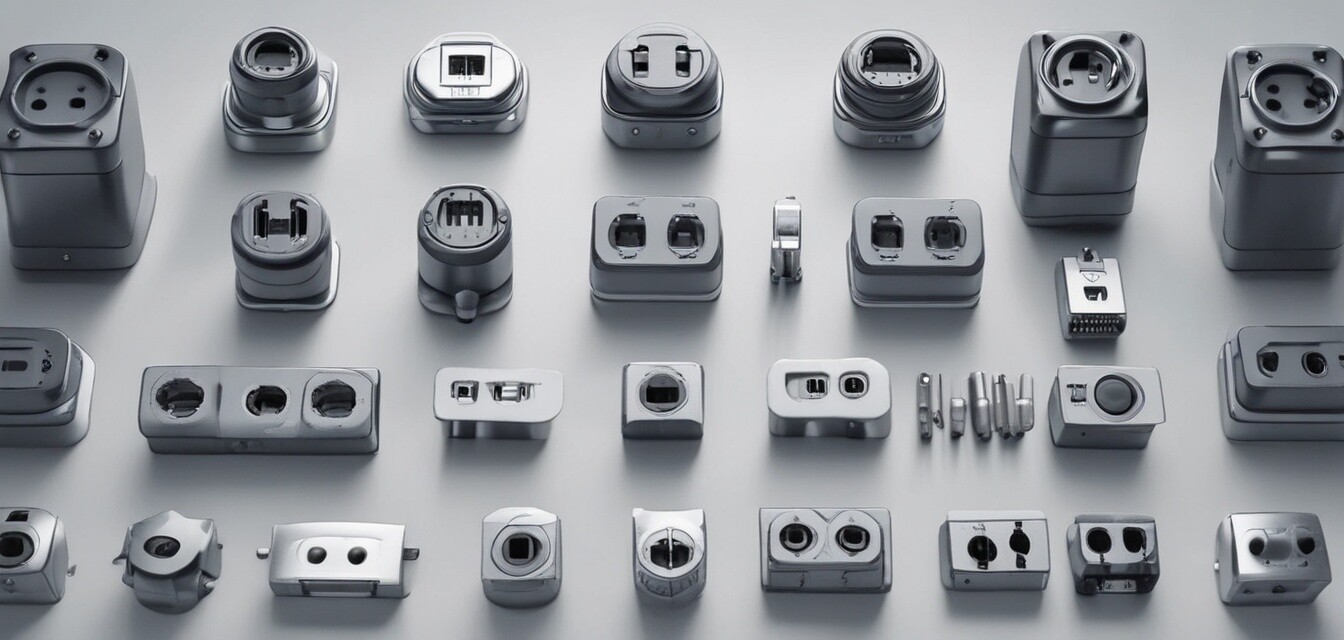
Smart appliance connectors are devices that enable traditional appliances to communicate with smart home systems. These connectors can transform standard devices into smart ones, allowing users to control them remotely, set schedules, and monitor their usage through a smartphone app or voice commands.
Types of smart appliance connectors
| Type | Description | Best for |
|---|---|---|
| Smart Plugs | Devices that plug into an outlet, allowing you to control any appliance plugged into them. | Small appliances like lamps, fans, or coffee makers. |
| Smart Switches | Installed in place of traditional switches to control hardwired lighting and fixtures. | Lighting control in rooms. |
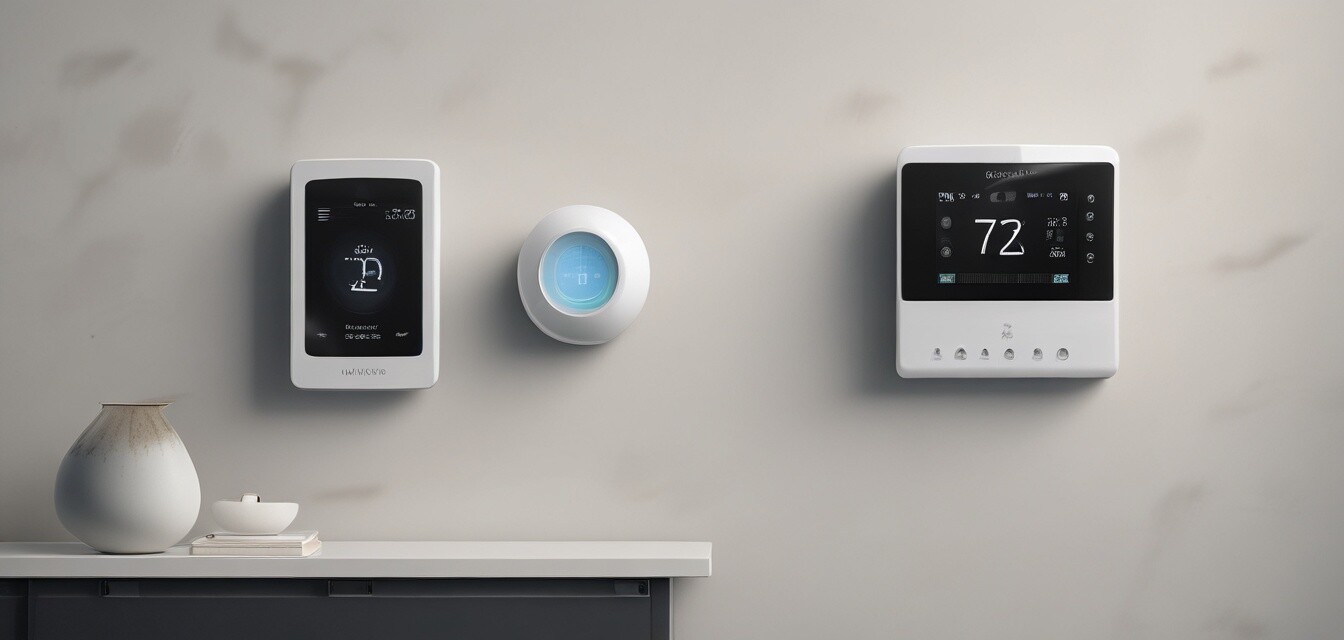
| Smart Thermostat Adapters | Connect traditional thermostats to smart home systems, enabling remote temperature control. | Heating and cooling systems. |
| Smart Sensors | Devices that detect the status of appliances, providing alerts and data on their usage. | Monitoring appliances like refrigerators and ovens. |
Benefits of using smart appliance connectors
- Energy Efficiency: Monitor and reduce energy usage by controlling appliances remotely.
- Convenience: Schedule appliances to operate at optimal times, reducing the need for manual control.
- Integration: Seamlessly integrate with existing smart home systems for a unified experience.
- Enhanced Control: Use voice commands or mobile apps to operate appliances, adding a layer of convenience.
Installation tips for smart appliance connectors
Beginners Section
- Read the manufacturer's instructions carefully for proper installation.
- Ensure compatibility with your existing smart home system.
- Consider consulting a professional for hardwired connections.
- Use a smart hub to centralize control of multiple devices.
- Regularly update the firmware of your connectors to maintain security and functionality.
Choosing the right smart appliance connector
Selecting the right connector depends on several factors:
- Type of appliance: Determine whether you need a smart plug, switch, or sensor.
- Compatibility: Ensure the connector works with your smart home ecosystem.
- Ease of installation: Choose connectors that fit your skill level—DIY or professional installation.
- Features: Look for connectors with added features like energy monitoring or scheduling capabilities.
Popular smart home systems
When considering smart appliance connectors, it's essential to know the various smart home systems available. Here are some of the most popular systems:
| System | Features | Best for |
|---|---|---|
| Amazon Alexa | Voice control, routines, and integration with many devices. | Users who prefer voice commands. |
| Google Home | Voice control and Google Assistant integration. | Android users and Google service enthusiasts. |
| Apple HomeKit | Robust security features and seamless integration with Apple devices. | Apple ecosystem users. |
| Samsung SmartThings | Broad compatibility with various smart devices. | Users with diverse smart home products. |
Maintaining your smart appliance connectors
To ensure optimal performance of your smart appliance connectors, consider the following maintenance tips:
- Regularly check for firmware updates from the manufacturer.
- Inspect connections and ensure they are secure.
- Clear any dust or debris from connectors and devices.
- Monitor energy usage and adjust settings for efficiency.
Conclusion
Smart appliance connectors play a vital role in modernizing traditional appliances, providing users with enhanced control, efficiency, and convenience. By choosing the right connectors and properly maintaining them, you can significantly improve your smart home experience.
Pros
- Easy integration with existing appliances.
- Increased convenience and control.
- Potential energy savings.
- Remote access and monitoring capabilities.
Cons
- Compatibility issues can arise with some appliances.
- Some connectors may require professional installation.
- Security risks if not properly maintained.
- Initial investment cost can be high for multiple devices.
Further reading
Explore more about smart home connectivity:
- Home Automation Controllers
- Smart Lighting Accessories
- Smart Speaker Enhancements
- Smart Thermostat Accessories
- Surveillance Camera Add-Ons
Visualizing Smart Appliance Connectors