Disclosure: This article was created using AI and is not based on personal experience. It includes affiliate links, which means we may earn a commission if you purchase through these links at no extra cost to you. As Amazon Associates, we earn from qualifying purchases. Product recommendations and endorsements were generated by AI and do not reflect personal opinions or real-world use.
Smart Thermostats & Climate Control
Key Takeaways
- Smart thermostats offer enhanced control for home heating and cooling.
- Energy efficiency can lead to cost savings on utility bills.
- Integration with smart home systems allows for seamless climate management.
- Remote access through mobile apps enhances convenience.
As more homeowners look to enhance their living spaces, smart thermostats and climate control accessories are becoming essential components of modern smart home systems. These devices not only provide comfort but also help in achieving energy efficiency, making them a worthwhile investment. In this article, we'll explore the features, benefits, and considerations when choosing smart thermostats.
What are smart thermostats?
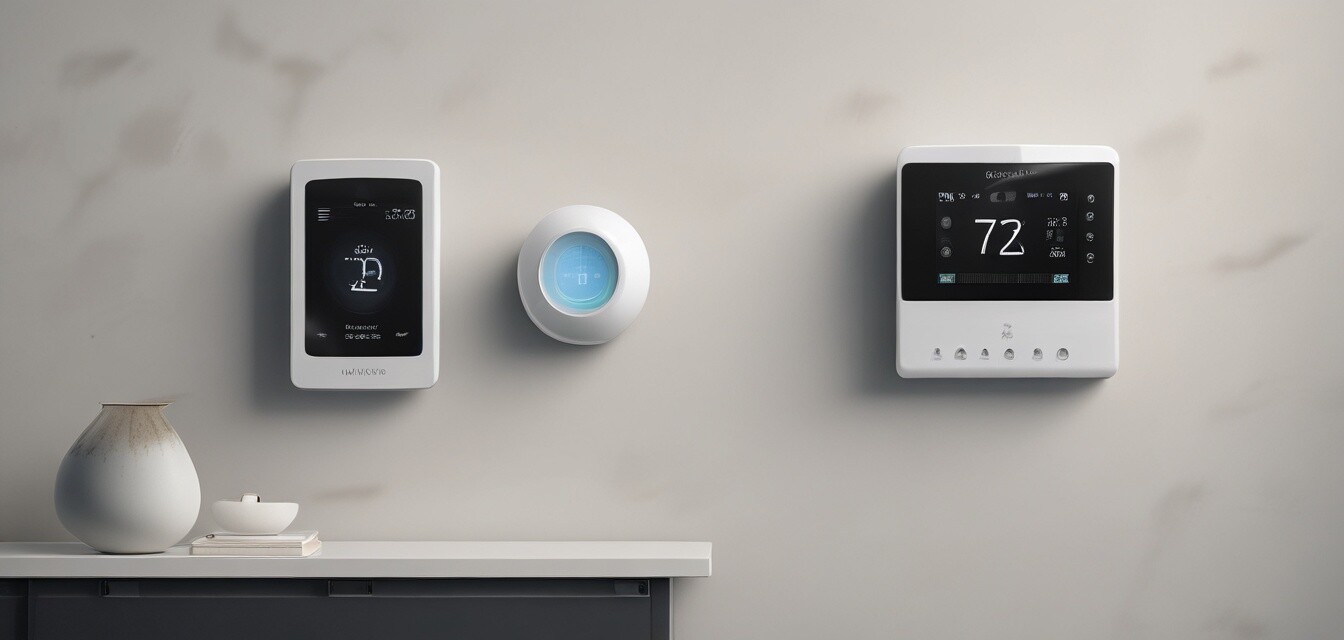
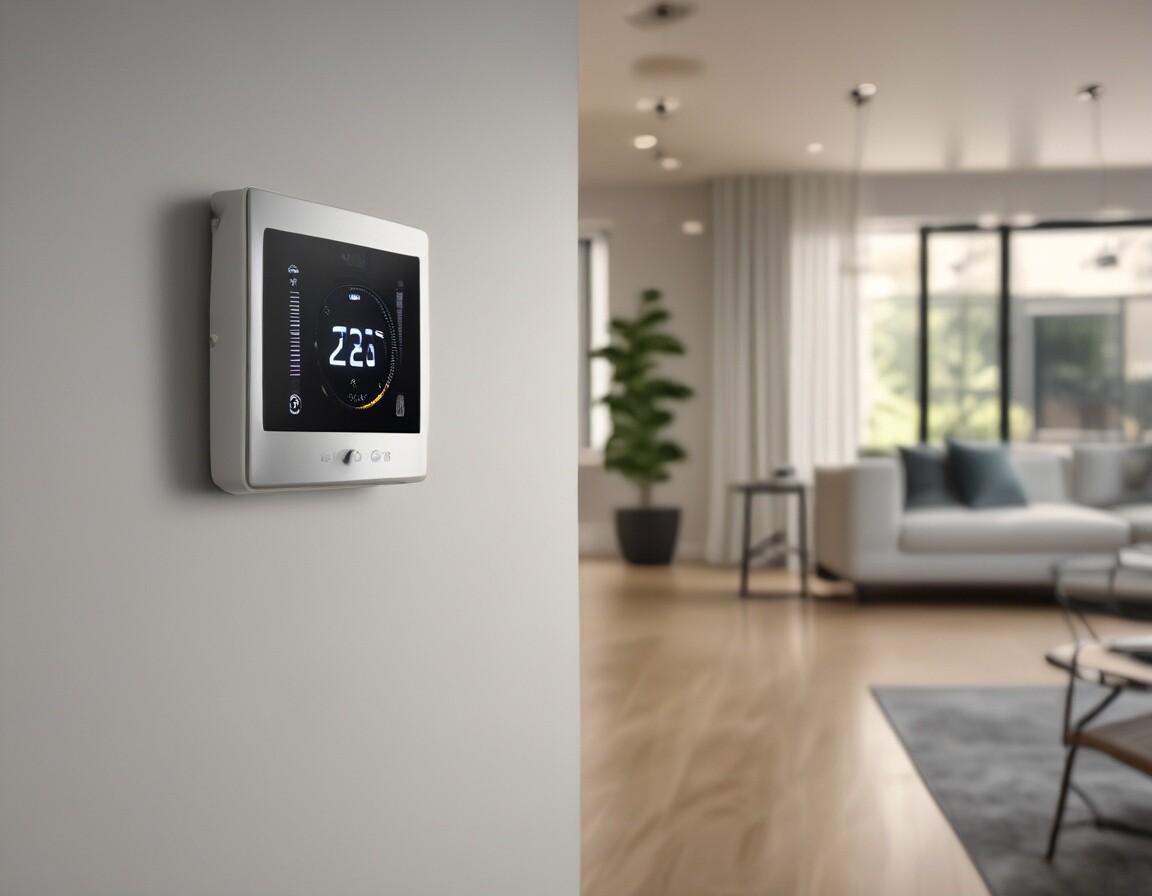
Smart thermostats are advanced heating and cooling controls that allow you to manage your home's climate remotely. They connect to your home's Wi-Fi network, enabling you to adjust settings via mobile apps or voice commands. This technology not only enhances comfort but also promotes energy efficiency.
Benefits of smart thermostats
Smart thermostats come with several advantages that can transform how you manage your home's climate. Here are some key benefits:
- Energy savings: Optimize your heating and cooling schedules to save on energy costs.
- Remote access: Adjust your home's temperature from anywhere using a smartphone app.
- Integration: Work seamlessly with other smart home devices for a unified experience.
- Learning capabilities: Some models learn your preferences over time and adjust automatically.
Comparison of popular smart thermostats
When considering a smart thermostat, it's essential to compare features. Below is a comparison table highlighting some of the key attributes of popular smart thermostats.
| Feature | Model A | Model B | Model C |
|---|---|---|---|
| Remote access | Yes | Yes | No |
| Learning capability | Yes | No | Yes |
| Integration with smart home systems | Google Home, Alexa | Alexa | Google Home |
| Energy reports | Monthly | Weekly | Monthly |
How to choose the right smart thermostat
Selecting the right smart thermostat involves considering several factors:
- Compatibility: Ensure the thermostat is compatible with your HVAC system.
- Features: Assess the features you need, such as scheduling, learning capabilities, and remote access.
- Budget: Determine your budget as prices can vary significantly.
- Installation: Decide whether you will install it yourself or hire a professional.
Integration with smart home systems
Smart thermostats can integrate with a variety of smart home systems, enhancing their functionality. For instance, when paired with smart lighting systems, the thermostat can adjust the temperature based on occupancy or time of day. This synergy not only improves comfort but can also lead to further energy savings.
Smart thermostat accessories
To enhance the functionality of your smart thermostat, consider additional accessories:
- Smart sensors: These can detect occupancy and temperature in different rooms, allowing for more precise climate control.
- Wi-Fi range extenders: Improve connectivity, especially in larger homes where signal strength may be an issue.
- Smart vents: Control airflow to individual rooms for optimized heating and cooling.
Common misconceptions about smart thermostats
There are several myths surrounding smart thermostats that can deter homeowners from making the switch. Here are a few clarifications:
- Myth: Smart thermostats are too complicated to use.
Fact: Most models come with user-friendly apps and setup guides. - Myth: They are not worth the investment.
Fact: The potential savings on energy bills can quickly offset the initial cost. - Myth: Smart thermostats only work with new systems.
Fact: Many smart thermostats are compatible with older HVAC systems.
Installation tips
Beginners Section
If you're new to smart thermostats, here are some installation tips to guide you:
- Read the manual thoroughly before beginning.
- Turn off power to your HVAC system for safety.
- Label wires as you disconnect them to avoid confusion later.
- Follow the manufacturer's instructions step-by-step.
Conclusion
Smart thermostats are transforming the way homeowners manage their climate. With features that enhance convenience and promote energy efficiency, they are a valuable addition to any smart home system. By understanding their benefits and how to choose the right model, you can enjoy a more comfortable and cost-effective living environment.
Pros
- Improved energy efficiency
- Convenient remote access
- Integration with other smart devices
- Potential cost savings on utility bills
Cons
- Initial cost can be high
- Some models may require professional installation
- Connectivity issues in large homes
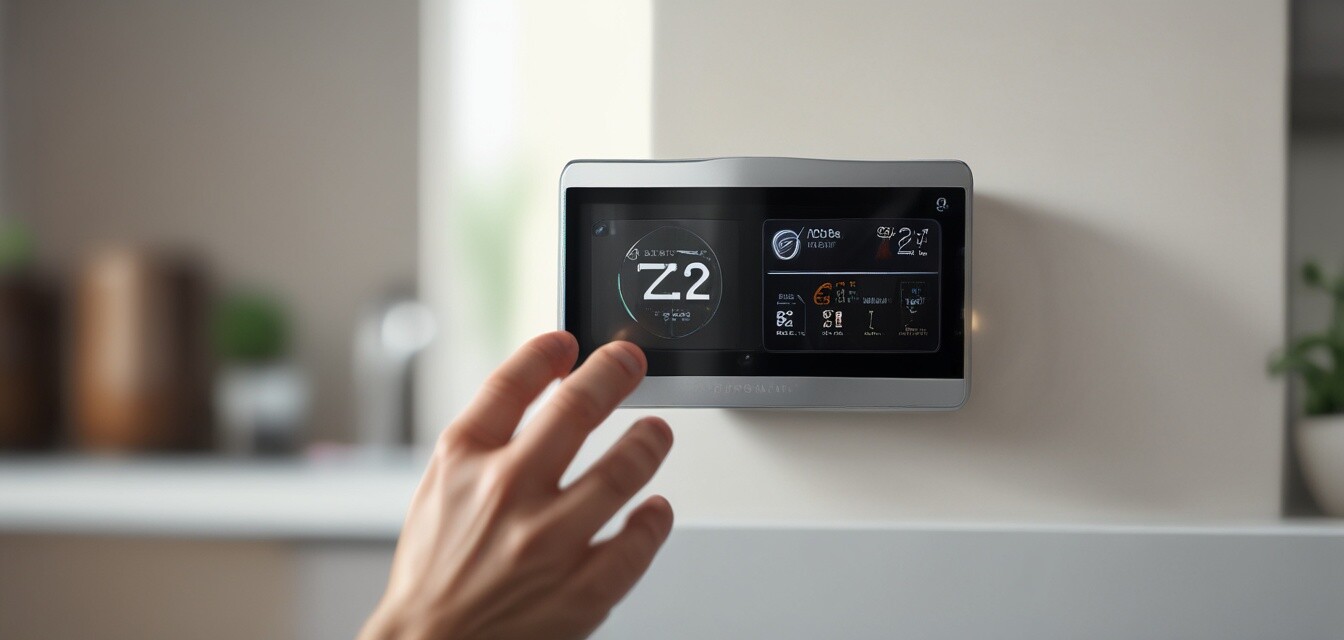
For more information on enhancing your home’s climate control systems, consider visiting our related pages on home automation controllers, smart lighting accessories, and Wi-Fi range extenders. By exploring these products, you can create a cohesive and efficient smart home environment.