Disclosure: This article was created using AI and is not based on personal experience. It includes affiliate links, which means we may earn a commission if you purchase through these links at no extra cost to you. As Amazon Associates, we earn from qualifying purchases. Product recommendations and endorsements were generated by AI and do not reflect personal opinions or real-world use.
Smart Home Hub Devices
Key Takeaways
- Smart home hubs serve as the central control point for all your smart devices.
- They facilitate communication between devices from different brands.
- Compatibility and connectivity options vary widely across different hubs.
- A good smart hub can enhance automation features in your home.
Smart home hub devices are essential for anyone looking to streamline their smart home setup. They provide a centralized control point for various smart devices, enabling seamless communication and interoperability. In this guide, we will explore the features, benefits, types, and functionalities of smart home hubs to help you make an informed decision.
What is a Smart Home Hub?
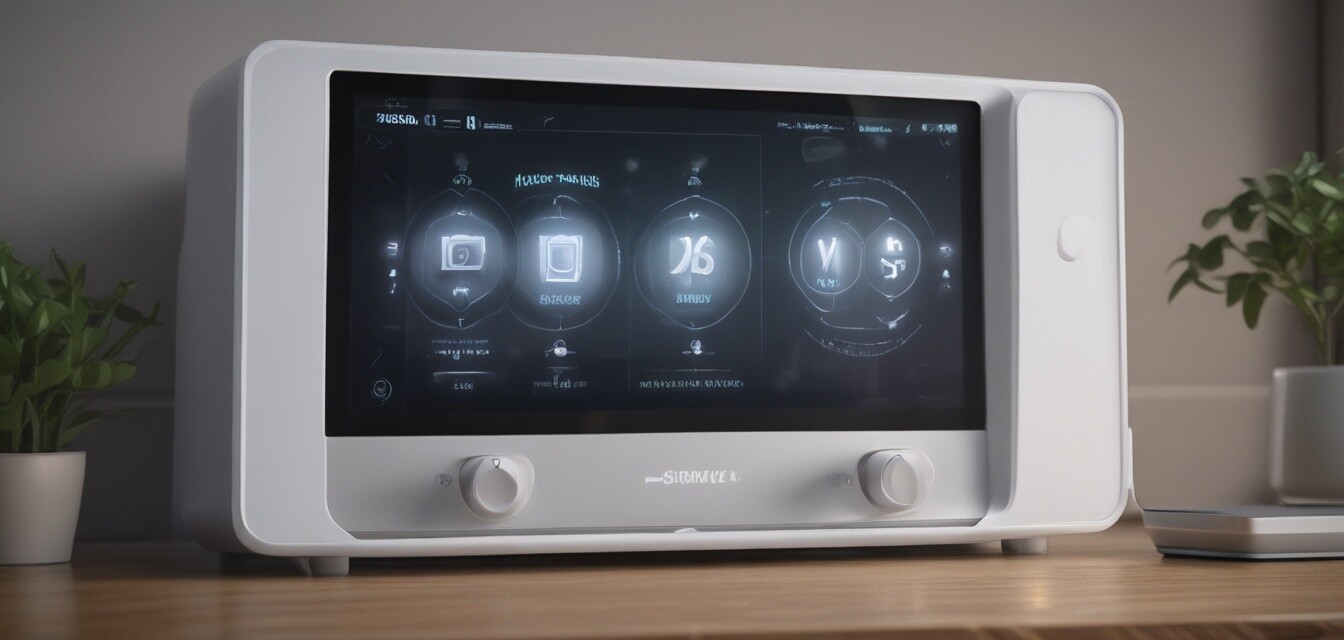
A smart home hub is a device that connects, manages, and controls multiple smart devices within your home. This could include lights, cameras, speakers, thermostats, and much more. By serving as the central command center, a smart hub enhances convenience and home automation.
How does a Smart Home Hub work?
Smart home hubs connect to various smart appliances using wireless protocols like Wi-Fi, Zigbee, or Z-Wave. Once all devices are linked to the hub, you can control them through a smartphone app, web interface, or voice assistant.
Benefits of Smart Home Hubs
- Centralized Control: Control all your devices from one location.
- Automation: Set up automated routines to simplify daily tasks.
- Enhanced Security: Manage your home security devices through one platform.
- Cross-Platform Compatibility: Connect devices from different manufacturers easily.
Types of Smart Home Hubs
Several types of smart home hubs exist in the market, each catering to different needs and functionalities. Here's a comparison of some common types:
| Type | Description | Best For |
|---|---|---|
| Voice Assistant Hubs | Devices like Amazon Echo or Google Nest that serve as hubs with built-in voice controls. | Hands-free control and smart speaker functionality. |
| Dedicated Hubs | Standalone devices designed primarily to connect various smart devices. | Extensive automation features and cross-brand compatibility. |
| Smartphone Apps | Apps that allow control of devices through your mobile device without a physical hub. | Cost-effective solution without needing additional hardware. |
Popular Features of Smart Home Hubs
When considering a smart home hub, look for the features that best meet your needs. Below are some common features:
- Device Compatibility: Check for compatibility with the devices you already own.
- Automation Options: The ability to create schedules and routines for your devices.
- Remote Access: Control your devices while away from home.
- Voice Control: Support for voice assistants for hands-free operation.
Choosing the Right Smart Home Hub
When selecting a smart home hub, keep these factors in mind:
Tips for Beginners
- Evaluate your current smart devices and ensure compatibility.
- Consider the size of your home and the range of the hub.
- Look for hubs that offer extensive online support and community.
- Read reviews and do thorough research before purchasing.
Popular Smart Home Hubs on the Market
Popular options include:
Home Automation Controllers,
Smart Lighting Accessories,
Smart Speaker Enhancements,
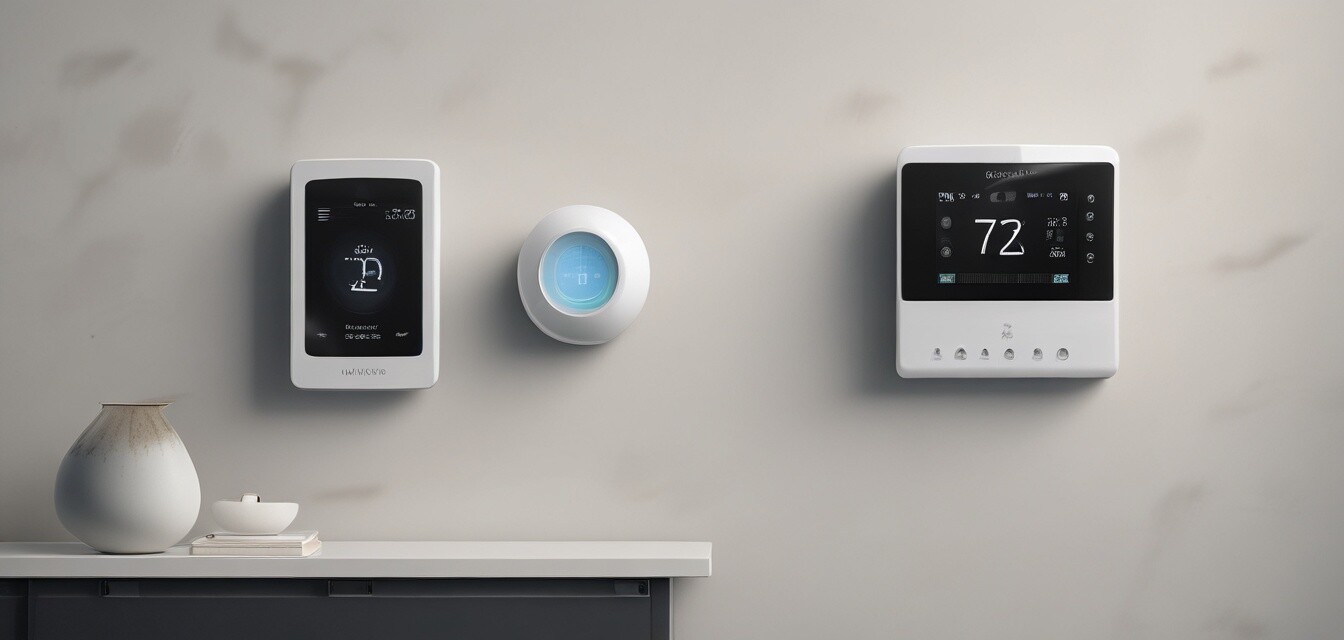
Smart Thermostat Accessories,
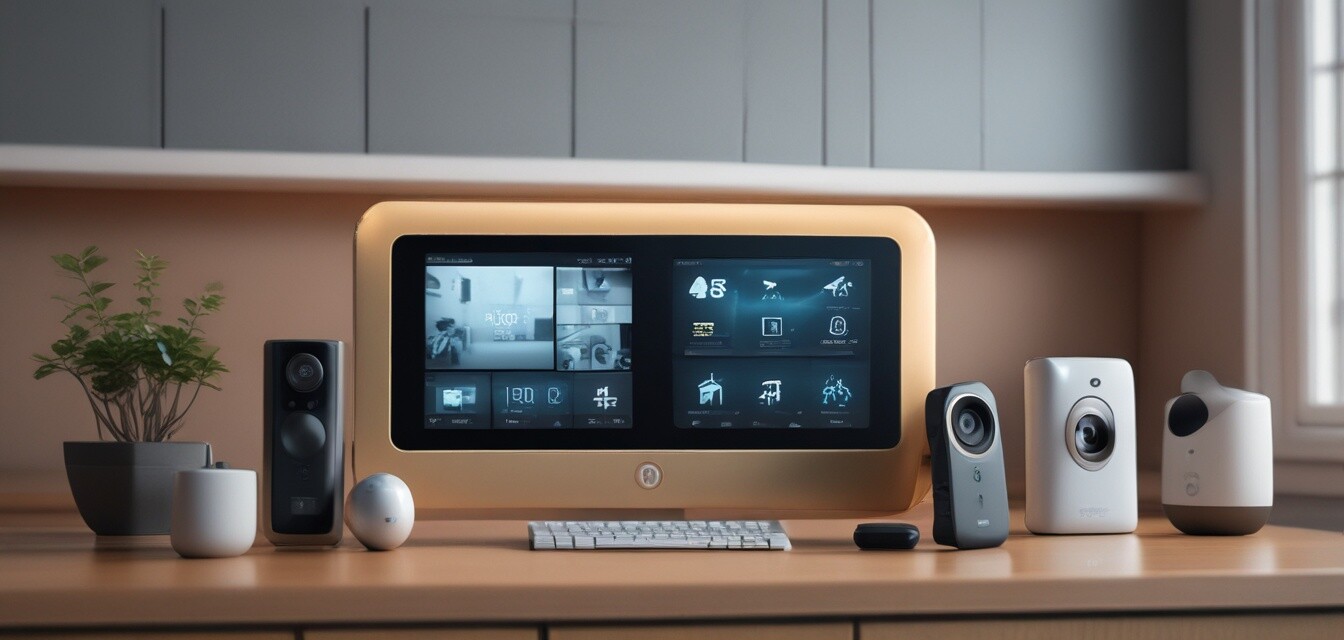
Surveillance Camera Add-Ons.
Installation and Setup
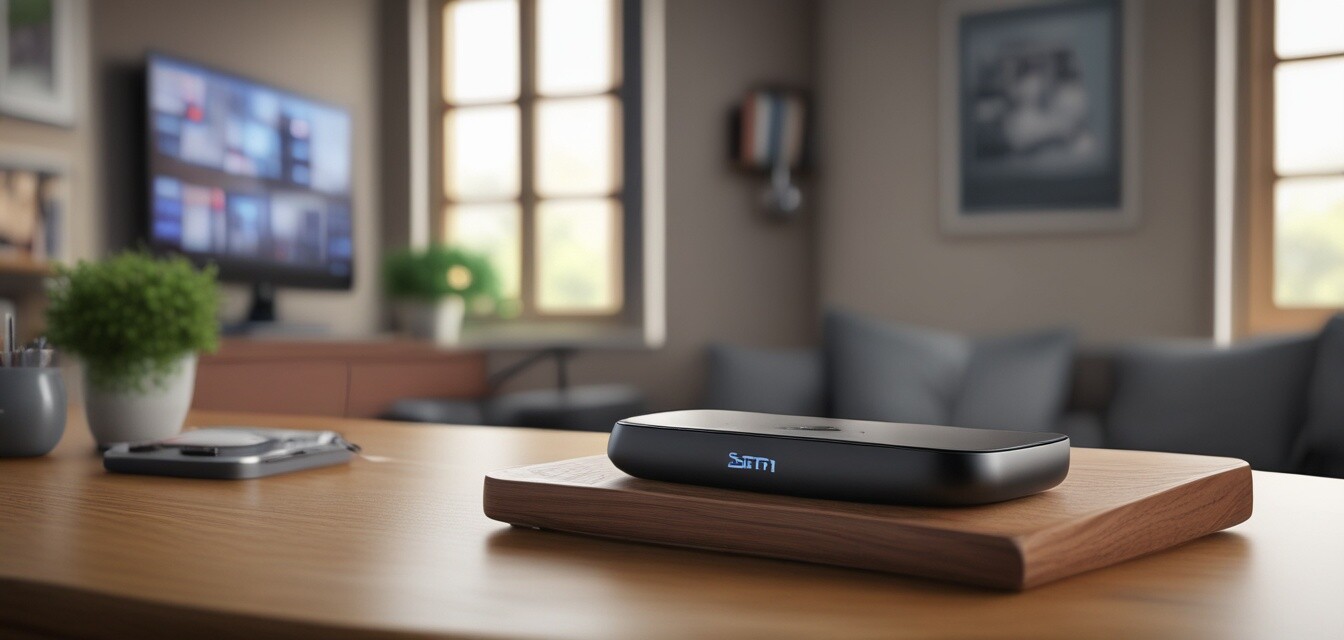
Setting up a smart home hub typically involves placing it in a central location and connecting it to your home Wi-Fi network. Follow the manufacturer's guidelines for device pairing and ensure you download any required apps for control.
Pros and Cons of Smart Home Hubs
Pros
- Simplifies the management of multiple devices
- Improves the efficiency of smart home automation
- Enhances security and monitoring features
- Allows for easier integration of new devices
Cons
- Initial setup can be complex
- Some hubs may have compatibility limitations
- Ongoing updates and maintenance may be needed
- Costs can add up with additional smart devices
Conclusion
Smart home hub devices are vital for anyone aiming to take full advantage of smart home technology. They centralize control and simplify the interaction between various devices. By carefully evaluating the features, types, and benefits, you can choose the best hub that fits your needs.
Additional Resources
For more information, check out our sections on:
- Home Automation Controllers
- Smart Lighting Accessories
- Smart Speaker Enhancements
- Smart Thermostat Accessories
- Surveillance Camera Add-Ons
- Wi-Fi Range Extenders
Further Reading
Explore our blog for detailed reviews and expert recommendations.