Disclosure: This article was created using AI and is not based on personal experience. It includes affiliate links, which means we may earn a commission if you purchase through these links at no extra cost to you. As Amazon Associates, we earn from qualifying purchases. Product recommendations and endorsements were generated by AI and do not reflect personal opinions or real-world use.
Smart home assistants
Key Takeaways
- Smart home assistants streamline daily tasks.
- Compatibility with various smart devices enhances overall functionality.
- Voice control offers convenience for hands-free operation.
- Security and surveillance features can be integrated with smart assistants.
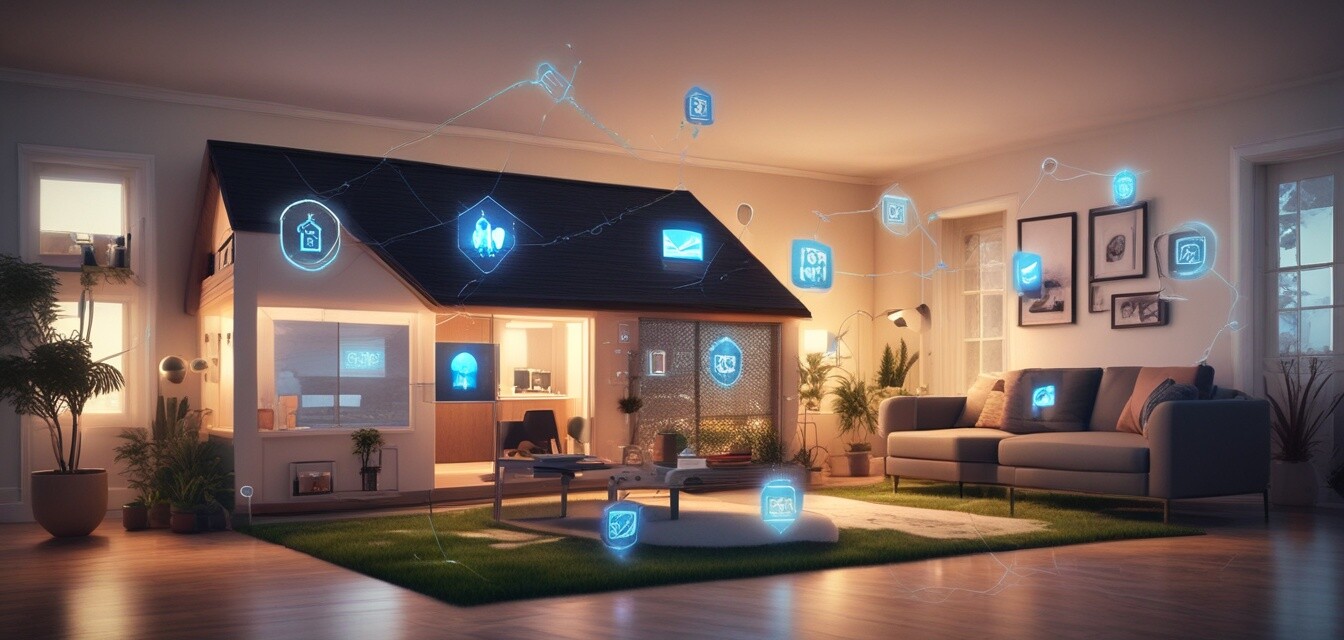
- Smart home ecosystems allow for centralized control and monitoring.
Smart home assistants are indispensable in today's connected lives. From voice control to seamless integration with various devices, these assistants enhance your everyday experiences. Understanding the different options available, as well as their functionalities, can help you choose the right fit for your smart home ecosystem.
Types of Smart Home Assistants
| Smart Home Assistant | Main Features | Compatibility |
|---|---|---|
| Amazon Alexa | Voice control, music streaming, smart home integration | Wide range of smart devices, IoT products |
| Google Assistant | Search capabilities, voice control, personalized assistance | Google Home devices, various third-party products |
| Apple HomeKit | Privacy-focused, automation, and smart home control | Apple products and HomeKit-compatible devices |
| Samsung SmartThings | Smart home automation, custom routines, remote control | Extensive range of third-party devices |
How Smart Home Assistants Work
Smart home assistants operate primarily through voice recognition and artificial intelligence, allowing users to interact with their devices effortlessly. They listen for verbal commands and respond accordingly. Below are the critical components that make smart home assistants functional:
- Voice Recognition: Identifies user commands to execute tasks.
- Artificial Intelligence: Learns from user preferences to improve accuracy.
- Cloud Connectivity: Processes queries and commands using cloud-based systems.
Integration with Smart Devices
Smart home assistants can connect to various smart devices, enhancing their functionality. Here are some of the essentials they can control:
- Smart lighting solutions
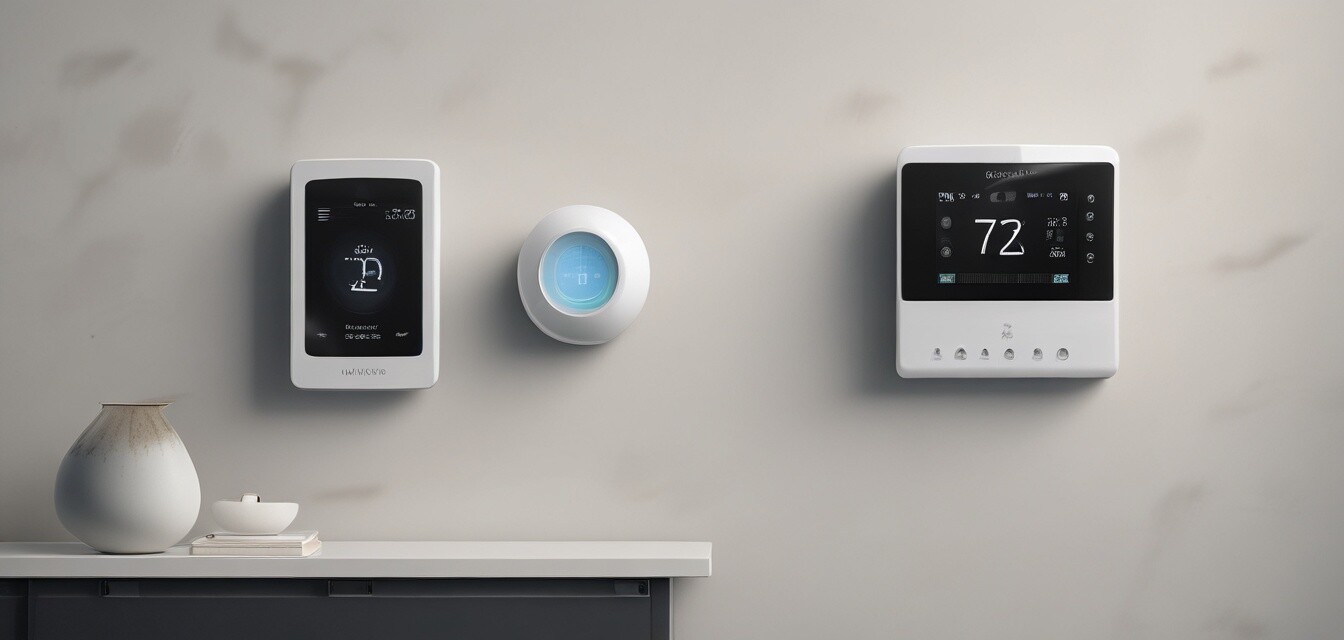
- Thermostats and temperature control devices
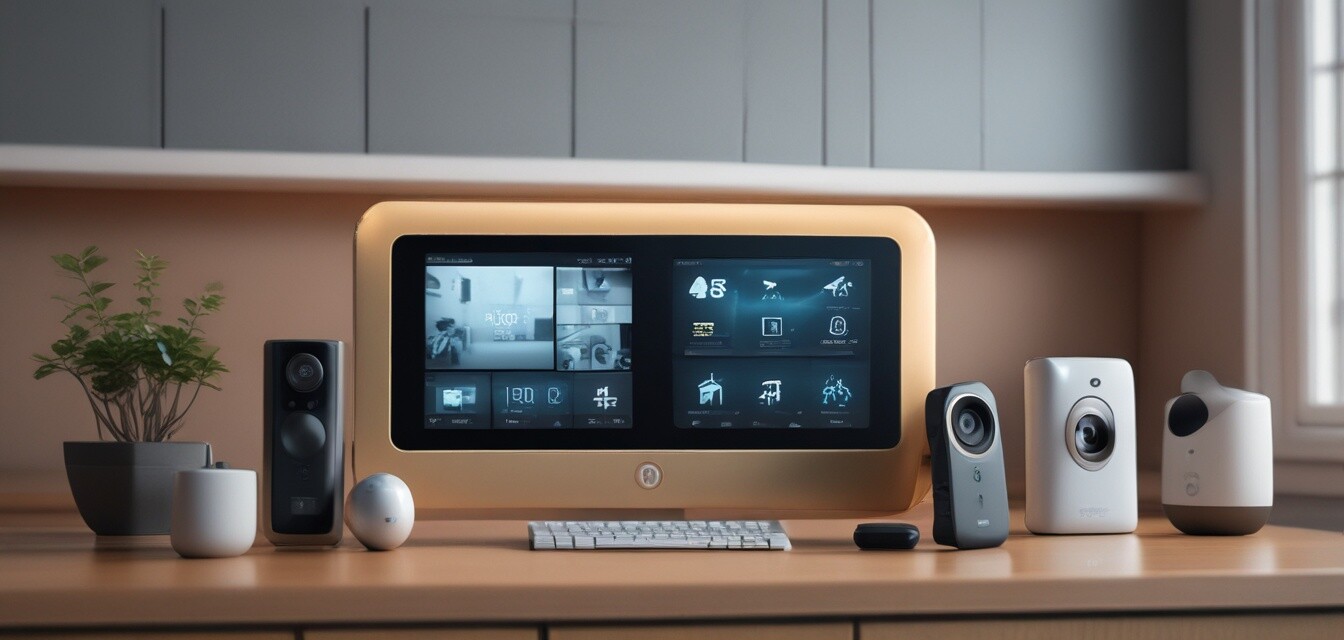
- Security cameras and surveillance tools
- Home appliances (smart plugs, refrigerators, etc.)
Benefits of Using Smart Home Assistants
- Increased convenience and hands-free control of devices
- Can help save energy with smart thermostat integration
- Security enhancements through monitoring and alerts
- Easy access to information and entertainment
Considerations When Choosing a Smart Home Assistant
When selecting a smart home assistant, consider the following factors:
- Compatibility: Ensure the assistant is compatible with your existing smart devices.
- Functionality: Assess the features that matter most to you.
- Privacy: Look into the privacy policies regarding data handling.
- Manufacter Support: Consider availability of updates and customer service.
Pros
- Enhanced convenience with voice commands.
- Broad compatibility with a range of devices.
- Helps to organize schedules and reminders.
- Can integrate with home security features.
Cons
- Can be vulnerable to hacking if not properly secured.
- Dependence on internet connectivity.
- Some voice assistants may have limited features compared to others.
Setting Up Your Smart Home Assistant
The setup process may differ based on the brand of smart home assistant you choose. However, there are general steps you can follow:
- Unbox the device and connect it to power.
- Download the respective app (e.g., Alexa app, Google Home app).
- Follow the app's instructions to connect to Wi-Fi.
- Link your smart home devices to the assistant through the app.
- Customize settings and preferences based on your needs.
Top Smart Home Assistant Brands to Consider
| Brand | Main Offering | User Rating |
|---|---|---|
| Amazon | Echo devices with Alexa integration | 4.6/5 |
| Google Nest devices with Google Assistant | 4.7/5 | |
| Apple | HomePod and HomeKit ecosystem | 4.5/5 |
| Samsung | SmartThings system | 4.4/5 |
Future Trends in Smart Home Assistants
The future of smart home assistants is promising. Trends to look forward to include:
- Improved integration and interoperability between devices.
- Advanced voice recognition and AI capabilities.
- Increased emphasis on privacy and data security.
- Further expansion into health and wellness monitoring.

Conclusion
Smart home assistants can greatly enhance your home experience. By making the right choice, you’ll be able to enjoy the many conveniences they offer while integrating seamlessly with your smart devices.
Tips for Beginners
- Start with one assistant and gradually expand your smart home ecosystem.
- Prioritize devices that work with your chosen assistant.
- Keep an eye on updates to improve functionality and security.