Disclosure: This article was created using AI and is not based on personal experience. It includes affiliate links, which means we may earn a commission if you purchase through these links at no extra cost to you. As Amazon Associates, we earn from qualifying purchases. Product recommendations and endorsements were generated by AI and do not reflect personal opinions or real-world use.
Smart Lighting Solutions
Key Takeaways
- Smart lighting enhances convenience and energy efficiency.
- Integration with home automation systems is crucial for optimal performance.
- Consider compatibility with existing smart home devices before purchasing.
- Variety of options available, from smart bulbs to complete lighting systems.
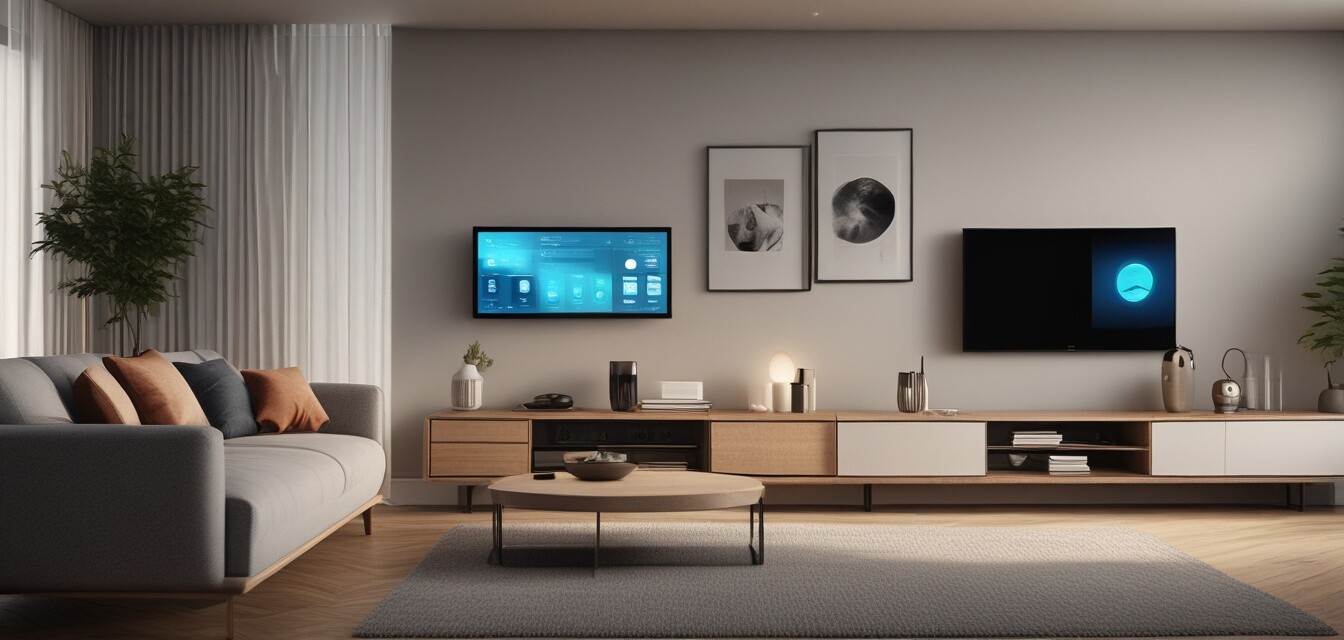
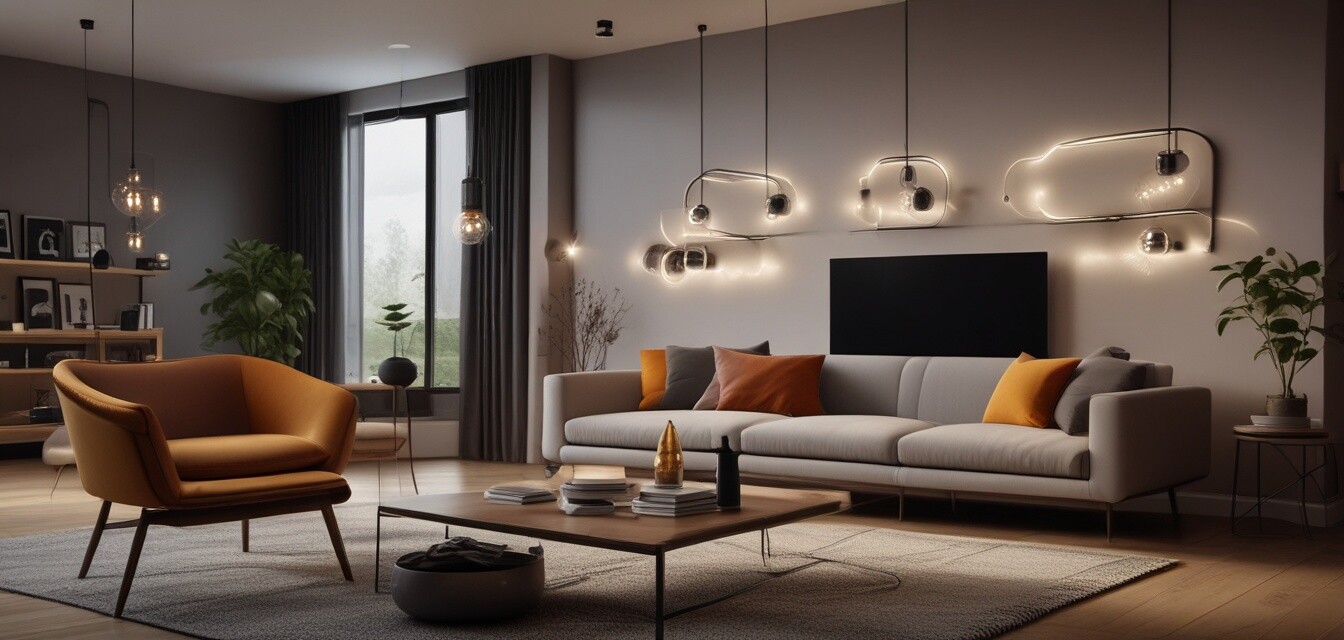
Smart lighting solutions have become a cornerstone of modern home automation. They not only provide convenience but also enhance the ambiance of your home. With the integration of smart lighting into your existing home systems, you can control your lights remotely, set schedules, and even adjust brightness and color. This article explores various smart lighting options and their integrations, helping you to make informed choices for your smart home.
What are smart lighting solutions?
Smart lighting refers to lighting fixtures and systems that can be controlled remotely via smart devices. They usually connect to your home Wi-Fi network and can be managed through mobile apps, voice assistants, or home automation systems.
Types of smart lighting solutions
| Type | Description | Advantages |
|---|---|---|
| Smart bulbs | LED bulbs that connect to Wi-Fi or Bluetooth. | Easy to install and control, suitable for retrofitting existing fixtures. |
| Smart light strips | Flexible LED strips for decorative lighting. | Great for accent lighting and can be cut to fit. |
| Smart switches | Replace traditional light switches with smart versions. | Control multiple lights at once, suitable for hardwired systems. |
| Smart lamps | Lamps with built-in smart technology. | Portable and easy to use, often with customizable features. |
Benefits of smart lighting
Smart lighting comes with numerous benefits that make it a worthy investment for your home. Here are some of the key advantages:
- Energy efficiency: Smart bulbs are designed to use less energy than traditional incandescent bulbs, helping you save on electricity bills.
- Convenience: Control your lights from anywhere using your smartphone or voice commands.
- Customization: Adjust brightness and color to create the perfect ambiance for any occasion.
- Automation: Set schedules and routines for your lights, enhancing security and lifestyle.
How to integrate smart lighting with home systems
Integrating smart lighting with your home systems can vastly improve your smart home experience. Here's how to do it:
1. Choose a compatible system
Ensure that your smart lighting products are compatible with your existing smart home systems, such as Amazon Alexa, Google Home, or Apple HomeKit.
2. Use a central hub
A central hub can help integrate various smart devices, providing you with a single point of control for all your smart lighting.
3. Create routines
Utilize the scheduling features in your smart lighting app to create routines that suit your lifestyle. For example, program your lights to turn on at sunset.
4. Use voice commands
Most smart lighting solutions are compatible with voice assistants, allowing you to control your lights with simple voice commands.
Popular smart lighting brands
Several brands offer quality smart lighting solutions. Here are a few popular ones:
- Philips Hue
- LIFX
- Wyze
- Sengled
- TP-Link Kasa
Smart lighting installation tips
Tips for beginners
- Start small: Begin with a few smart bulbs and expand as you get comfortable.
- Check compatibility: Ensure new purchases are compatible with your existing devices.
- Follow instructions: Each smart lighting product comes with specific installation guidelines, so be sure to follow those closely.
- Utilize apps: Most smart lighting systems come with an app that can assist with setup and management.
Comparison of smart lighting products
| Product | Features | Price Range |
|---|---|---|
| Philips Hue | Wide range of colors, compatible with multiple smart home systems. | $15 - $200 |
| LIFX | No hub required, vibrant colors, and customizable features. | $20 - $180 |
| Wyze | Affordable, easy to use, and good integration with Alexa. | $10 - $30 |
| Sengled | Great value, good quality, and a variety of smart bulbs. | $10 - $50 |
Common issues and troubleshooting
While smart lighting solutions are user-friendly, you may encounter some common issues. Here are a few troubleshooting tips:
- Connection problems: Ensure your Wi-Fi is functioning properly and that the smart bulb is within range.
- App malfunctions: Restart the app or try reinstalling it if you encounter issues.
- Compatibility issues: Check if the light is compatible with your hub or smart home assistant.
Conclusion
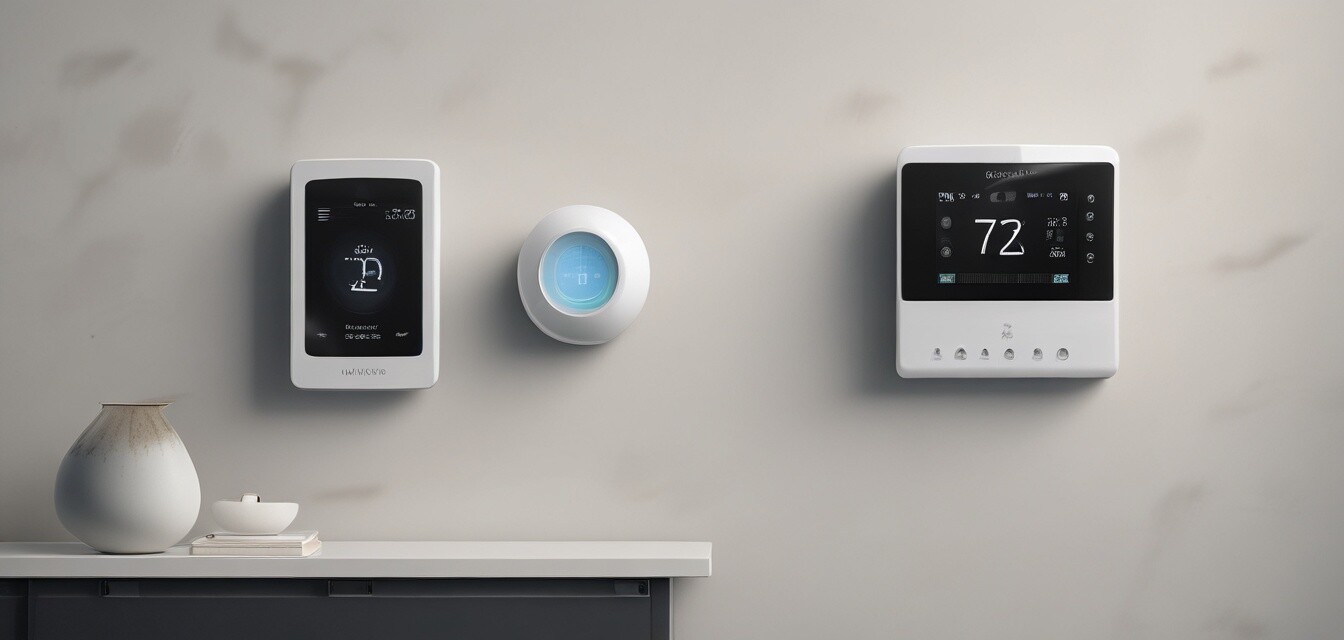
Smart lighting solutions offer a fantastic way to enhance your home automation systems. With a variety of products available, you can easily find solutions that fit your lifestyle and preferences. Remember to consider compatibility and choose products that are easy to integrate with your existing systems. For more information on smart home accessories, check out our other product categories such as Home Automation Controllers, Smart Speaker Enhancements, and Smart Thermostat Accessories. Happy lighting!
Pros
- Energy-efficient
- Convenient control options
- Customizable settings
- Improved home security
Cons
- Initial setup costs can be high
- Potential compatibility issues
- Reliance on stable internet connection